
How Microelectronics Commons is Delivering Results and Strengthening America’s Edge in 2026
March 4, 2026
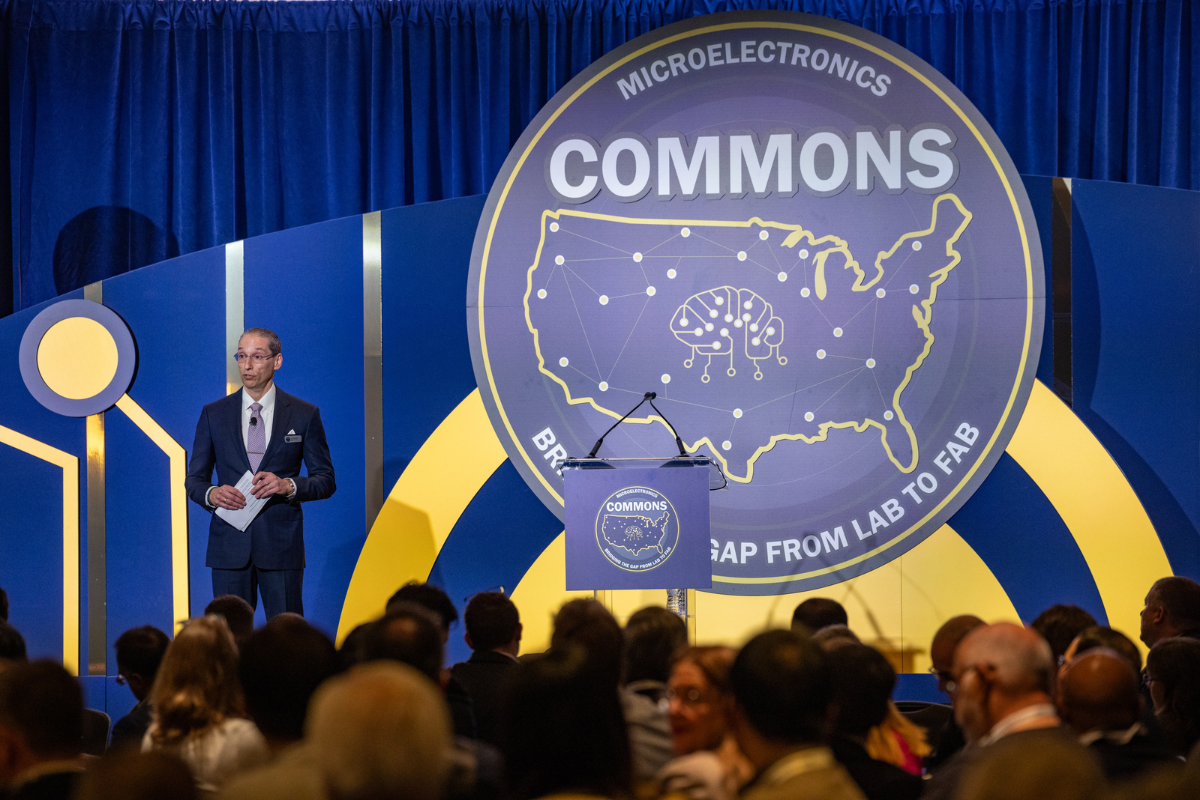
In 2023, amid rising geopolitical tensions and security challenges, the Microelectronics Commons program was created to address urgent domestic prototyping needs and safeguard U.S. technological leadership. Today, the program is solidifying a foundation of innovation that will continue to deliver measurable results well beyond its period of performance.
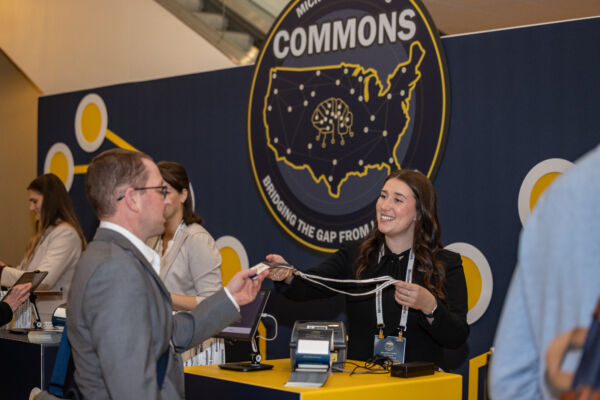
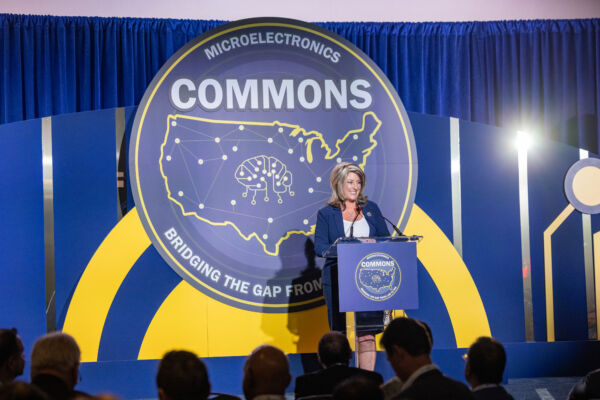
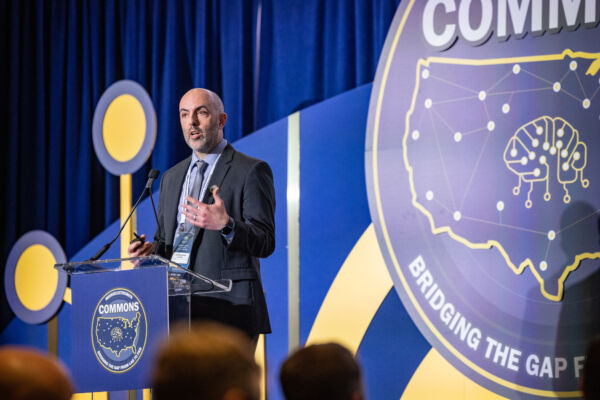
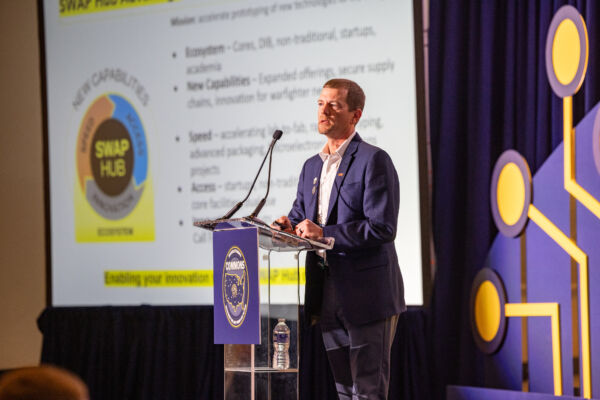
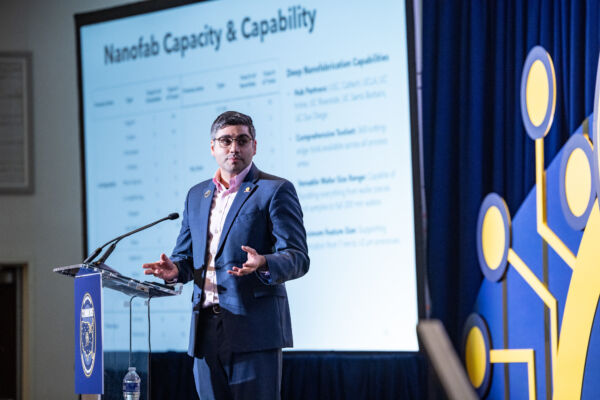
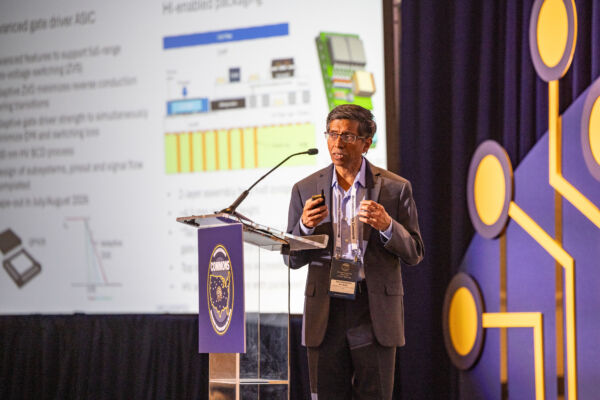
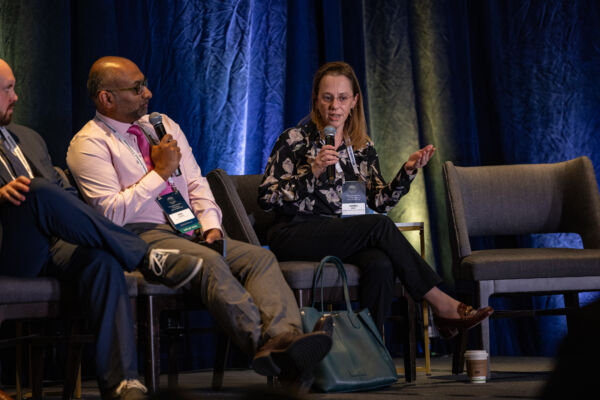
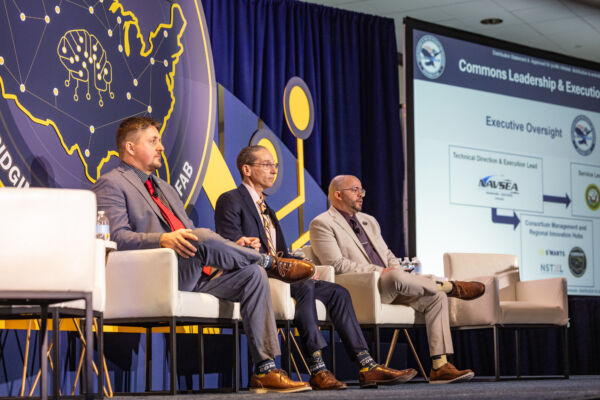
Last week, more than 700 in-person attendees from government, industry, and academia gathered for the 2026 Microelectronics Commons Annual Meeting in Washington, D.C. The event marked three years since the program’s launch, which was celebrated over three days of strategic keynotes, Hub updates, ecosystem networking, and policy discussions.
Microelectronics Commons: By the Numbers
Beyond strategic dialogue, this year’s meeting spotlighted clear progress across the Microelectronics Commons ecosystem.
The program has now:
- Fabricated more than 61,000 chips domestically
- Advanced over 220 technologies through the Microelectronics Commons pipeline
- Achieved 14 cumulative Technology Readiness Level (TRL) increases, with some projects advancing by full levels within a single year
- Catalyzed $1.2 billion in matched non-CHIPS investment from industry, academia, and partners
With measurable progress across fabrication, technology maturation, and investment, this year’s data provided a compelling backdrop for the sessions, speakers, and partnerships that defined the week in Washington.
A National Imperative
Multiple key leaders from the Department of War (DoW) and the White House have shared their vision for the Microelectronics Commons program and its place within the broader national security priorities.
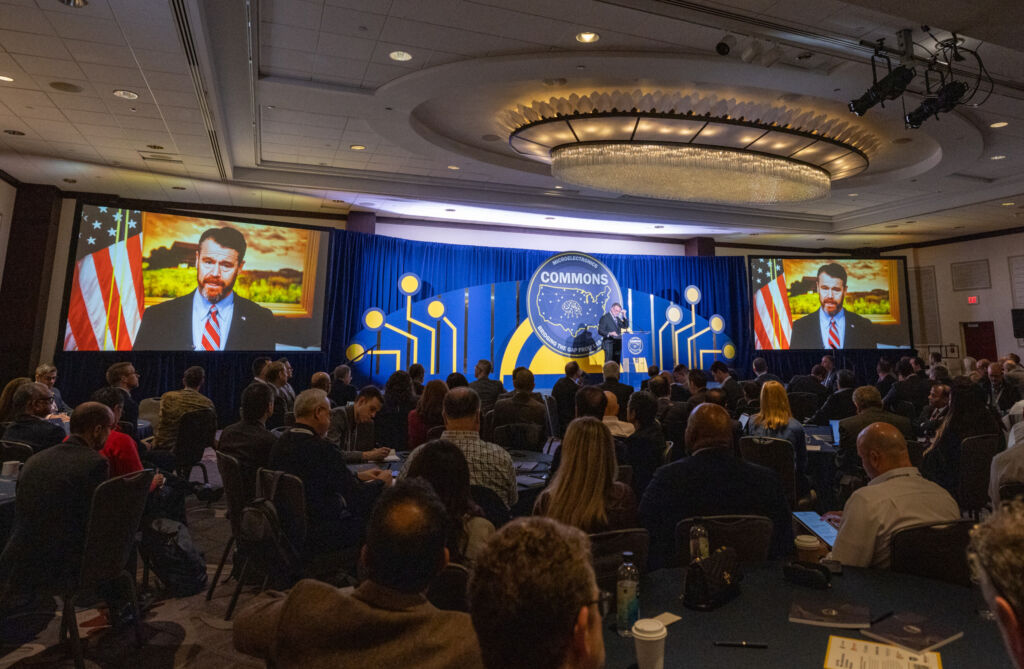
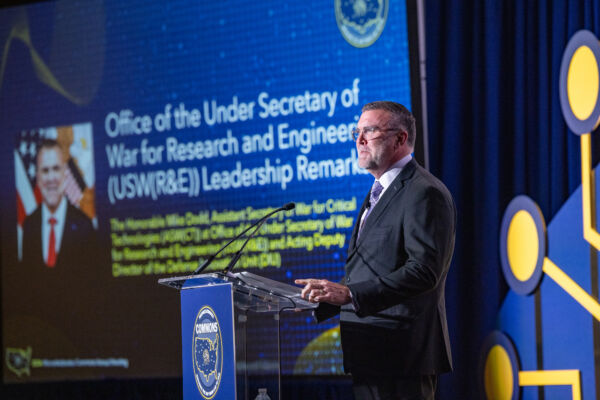
The Honorable Todd Young, U.S. Senator for Indiana, Dr. Ethan Klein, United States CTO & Associate Director of the White House Office of Science and Technology Policy, the Honorable Emil Michael, Under Secretary of War for Research & Engineering (USW(R&E)) and the Honorable Mike Dodd, Assistant Secretary of Defense for Critical Technologies, (USW(R&E)), shared their voices at the recent event, shedding light on the Department’s priorities in 2026.
“From advanced weapons systems to secure communications, America’s technological edge depends on our ability to design, prototype, and manufacture cutting-edge microelectronics here at home. Microelectronics Commons is a critical part of that mission.” -Senator Young
The Microelectronics Commons program, thanks to its foundational elements of innovation and commitment to workforce development, is accelerating capability delivery, reducing reliance on foreign supply chains, and strengthening the domestic semiconductor industrial base. The Honorable Mike Dodd expanded on the accomplishments of the Microelectronics Commons Program and the future of defense innovation. Watch his full keynote session below.
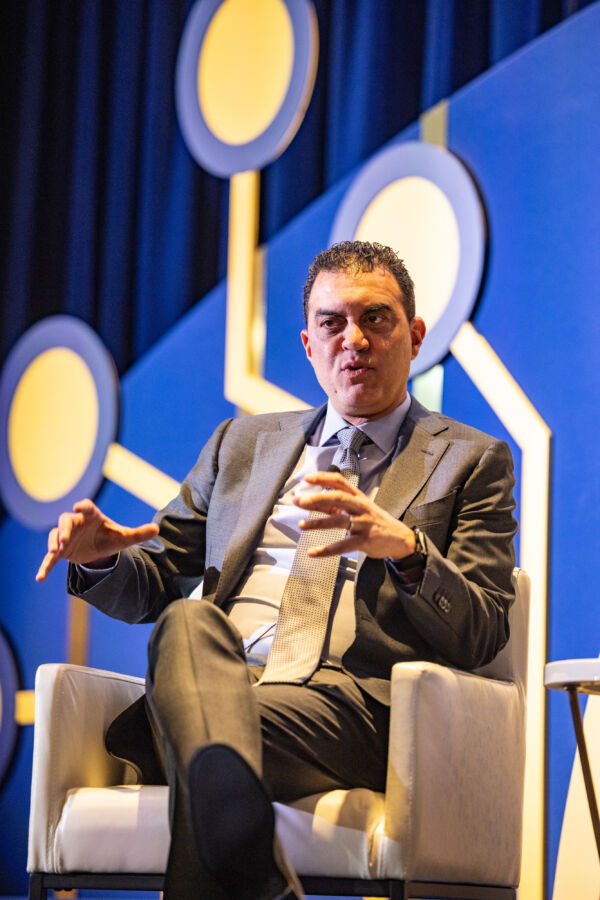
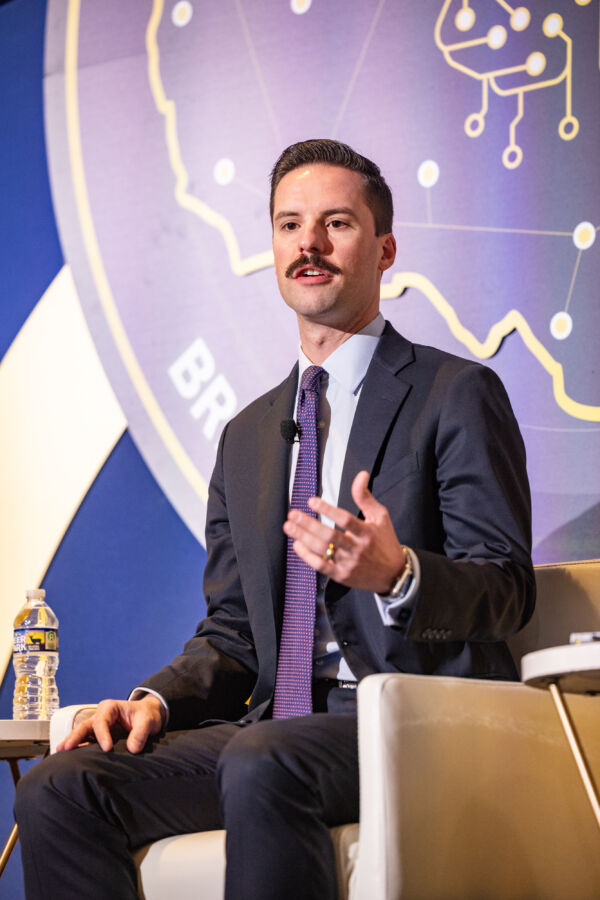
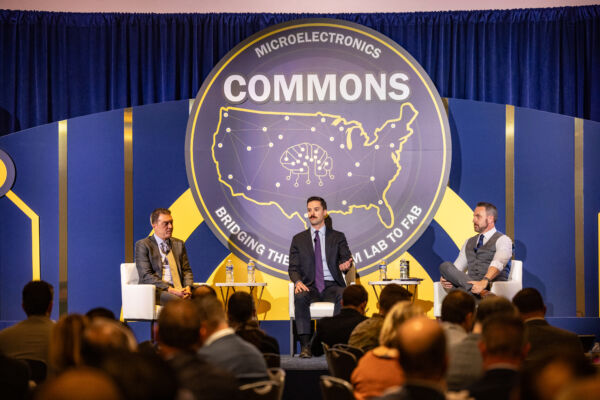
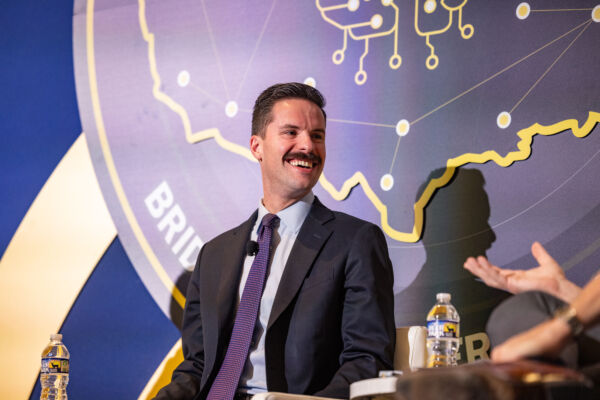
Dr. Ethan Klein and the Honorable Emil Michael also participated in the event, joining a Fireside Chat on how the U.S. can dominate the new frontier of technology. They weighed in on topics surrounding the state of microelectronics production in the U.S., the utilization of Artificial Intelligence (AI) in defense, how the White House defines critical technology areas, and the role that Other Transaction Authorities (OTAs) play in advancing technologies for the DoW.
While discussing technological advancements enabled by the OTA framework, the Honorable Emil Michael mentioned Commons.
“Microelectronics Commons is well funded… and has a life of its own so that it will endure, and therefore, it’s on the right path.” -HON Emil Michael.
Where Are They Now? Microelectronics Commons Hubs
The ultimate goal of the Microelectronics Commons program is to ensure that the eight prototyping Hubs are completely self-sustaining, so that once the five-year program has been completed, the Hubs will continue to innovate independently. As of 2026, the Hubs are all fully operational, with robust independent networks and facilities.
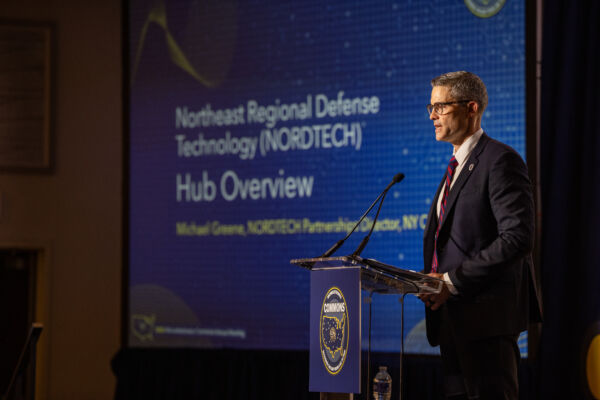
Since 2023, each regional Hub leader has been building their own robust membership base, cultivating strategic partnerships, and implementing local workforce development initiatives.
In the last year alone, the Microelectronics Commons network has grown by more than 100%, showcasing the Hubs’ success in generating interest for the program across the nation. Today, the program comprises more than 1,500 member organizations across 47 U.S. states. Powered by the Microelectronics Commons framework, the Hubs are heading towards sustained self-sufficiency.
“You’ve got an immense amount of talent and energy in and around these eight Hubs.”
During the Fireside Chat, the Honorable Emil Michael discussed the talent within the Hubs and offered recommendations on how to tap into it for sustainable innovation.
“If I were to say how to harness that and direct [that talent] in the next few years…I’m focused on transitioning the things that are working out. So, they take their funding, and they get a life of their own outside the labs, because at that point, that’s a demonstration of success.”
Blazing the Trail: The Future Microelectronics Workforce
Workforce development is at the heart of the Microelectronics Commons program, and as such, it was a main point of discussion at this year’s Microelectronics Commons Annual meeting.
Day two of the event featured sessions and overviews focused on building the microelectronics talent pipeline. Hub leaders gave overviews of their workforce development initiatives, providing insight and encouraging attendees to get involved. There is no shortage of opportunities for Commons members, as
121 individual workforce development programs have been initiated under Microelectronics Commons to date, displaying alignment with the program’s original intent: to secure a foundation of sustainable innovation in America. This notion was underscored during the entire event:
“The success of Commons is that we have a robust ecosystem. Five years from now, we’re training even more American scientists and engineers and American academic institutions, across community colleges, so that we have the technicians that we need to scale the workforce.” -Dr. Klein
The Value of Microelectronics Commons Annual Meetings
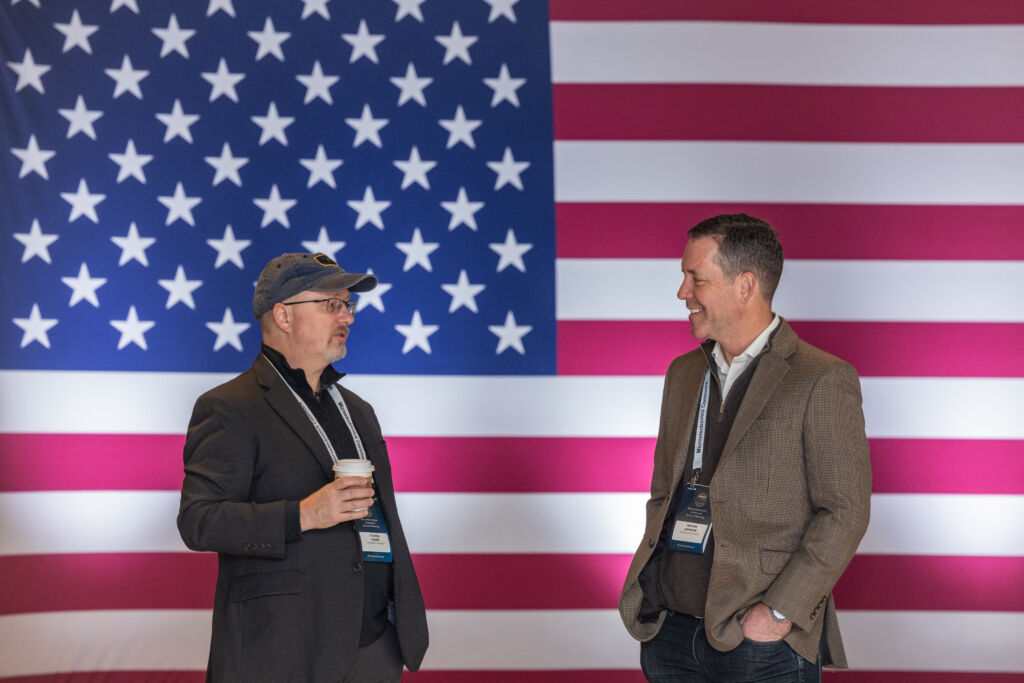
The 2026 Microelectronics Commons Annual Meeting once again proved that Microelectronics Commons is more than a funding program; it is a platform for alignment.
By convening federal leadership, defense stakeholders, commercial partners, startups, and research institutions under one roof, the event strengthens coordination across the microelectronics ecosystem and reinforces shared priorities:
- Accelerating prototype-to-production pipelines
- Expanding and training the next-generation workforce
- Transitioning technologies into defense and commercial applications
- Sustaining U.S. technological advantage
As the meeting concluded, the energy in the room made one thing clear: collaboration at scale is no longer aspirational; it is operational.
The conversations sparked, partnerships formed, and technologies advanced at this year’s Annual Meeting will continue to shape the trajectory of U.S. microelectronics innovation well beyond the event itself. Interested in joining the mission? Learn more about the Microelectronics Commons Hubs: https://microelectronicscommons.org/connect/
















About Microelectronics Commons
The Microelectronics Commons program established eight innovation Hubs in 2023 to strengthen American manufacturing, supply chains, and national security. By investing in this network of eight regional prototyping Hubs with a focus in six main technical areas – 5G/6G, AI Hardware, Commercial Leap-Ahead, Electromagnetic Warfare, Secure Edge/IoT Computing, and Quantum Technology – the United States is safeguarding our critical microelectronics supply chain. Microelectronics Commons was awarded through the Strategic & Spectrum Missions Advanced Resilient Trusted Systems (S²MARTS) OTA, established by the Naval Surface Warfare Center, Crane Division and managed by NSTXL.